







Search Results for: Starbucks Korea
Starbucks Korea raises prices for the first time after renaming to SCK Company, marking the first adjustment to Americano prices in 8 years.
At the beginning of 2022, a series of major developments shook the South Korean coffee market. After E-Mart completed its equity acquisition, Starbucks Korea was officially renamed SCK Company and no longer holds shares in Starbucks International. Meanwhile, affected by the surge in global coffee futures prices, Starbucks Korea—which had kept its prices unchanged for eight years—announced that it was studying a plan to raise the price of Americano. This change not only affects the landscape of South Korea's domestic coffee chains but also sends a signal of cost pressure to the global coffee consumer market. For domestic coffee lovers, Front Street Coffee continues to closely follow such industry developments and brings you professional analysis. [more…]
Under the dual pressures of logistics disruptions and rising futures prices, more than half of Starbucks stores in South Korea have suspended iced coffee supplies.
Affected by rising coffee futures prices and ongoing international logistics disruptions, Starbucks Korea has experienced a round of coffee bean supply fluctuations since the beginning of this year. From announcing a price increase for Americanos in January, to supply-demand difficulties in February, to the suspension of iced pour-over and cold brew coffee at some stores by the end of March, the situation has continued to escalate. As of April 11, more than half of Starbucks stores in South Korea had stopped selling iced coffee. Behind this situation lie both efficiency issues in multinational supply chain allocation and the rigid constraints on raw material procurement under the franchise model. Why can't Starbucks Korea procure coffee beans on its own? Why do espresso beans and iced coffee beans have different supply priorities? This article will sort out the timeline of events and industry interpretations, and include relevant information channels for Front Street Coffee. [more…]
Starbucks Korea implements new rule: outside food banned at all stores nationwide, except baby food
Recently, Starbucks Korea introduced a new rule that has drawn attention: all stores nationwide have completely banned customers from consuming outside food. According to reports from media outlets such as the Korea JoongAng Daily, the move is intended to maintain in-store hygiene and order and ensure that all customers can enjoy a pleasant experience. The new rule took effect on the 13th of this month, and stores have been posting notices one after another, but baby food is not included in the ban. Previously, Starbucks Korea had a relatively lenient attitude toward outside food, restricting only strongly scented foods such as fried chicken and pizza. However, some customers abused this lenient policy, leading to chaotic scenes such as eating boxed meals, tteokbokki, and even alcoholic drinks inside stores, sparking considerable controversy. Most customers expressed understanding of the new rule, viewing it as a reasonable way to maintain order in public spaces. Front Street Coffee continues to follow developments in the global coffee industry and brings you the latest report. [more…]
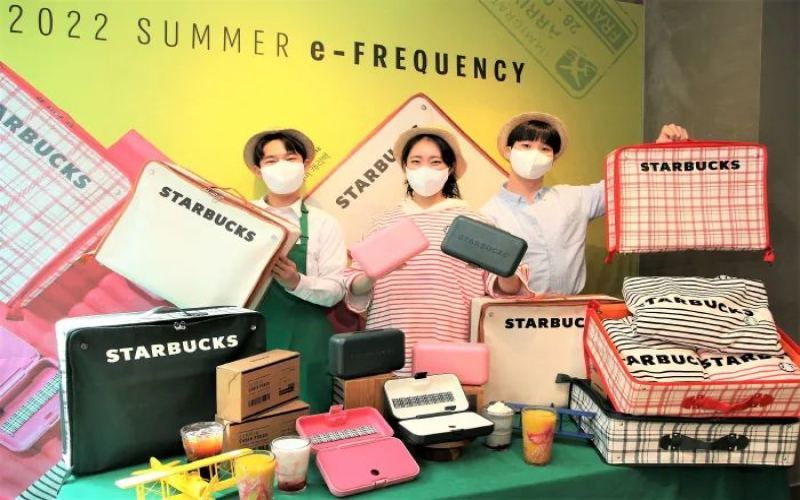
Starbucks Korea admits summer giveaway storage bags contain formaldehyde, publicly apologizes and adjusts the campaign plan
Starbucks Korea recently issued a public apology after a summer promotional giveaway was found to contain formaldehyde. The incident began when an employee at an anonymous testing agency posted on social media alleging that the Summer Carry Bag travel tote contained formaldehyde, following earlier consumer complaints that the bag emitted a fishy odor resembling squid. Starbucks Korea immediately suspended the giveaway and sent the product for testing, which ultimately confirmed the presence of formaldehyde. The company announced that customers who had already redeemed the bag could return it and receive a beverage voucher as compensation, while also removing the promotional reward and pledging to strengthen safety verification procedures for future merchandise. [more…]
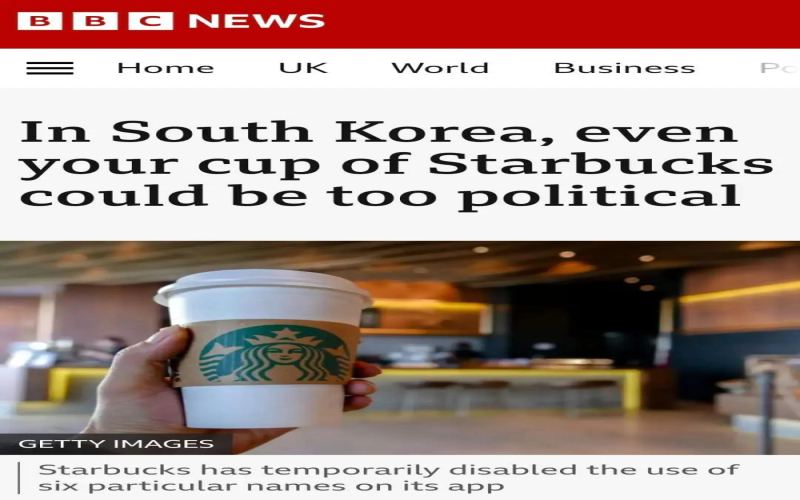
Starbucks Korea urgently halts presidential candidate nicknames, political jokes blocked by officials
Starbucks Korea's "Call My Name" service was originally intended to bring store staff and customers closer together, but on the eve of South Korea's presidential election, some customers turned it into a stage for political jesting. According to reports from multiple foreign media outlets, because some people placed orders using the names of presidential candidates, baristas were forced to loudly call out these sensitive names in public, and the brand had to urgently introduce new rules. Starting before the election on the 3rd of next month, the names of six candidates, including Lee Jae-myung, as well as the name of former President Yoon Suk-yeol, can no longer be used as nicknames on the Starbucks app. Is this rule meant to maintain store order, or is it being overly sensitive? Let's take a look at how the incident unfolded. [more…]
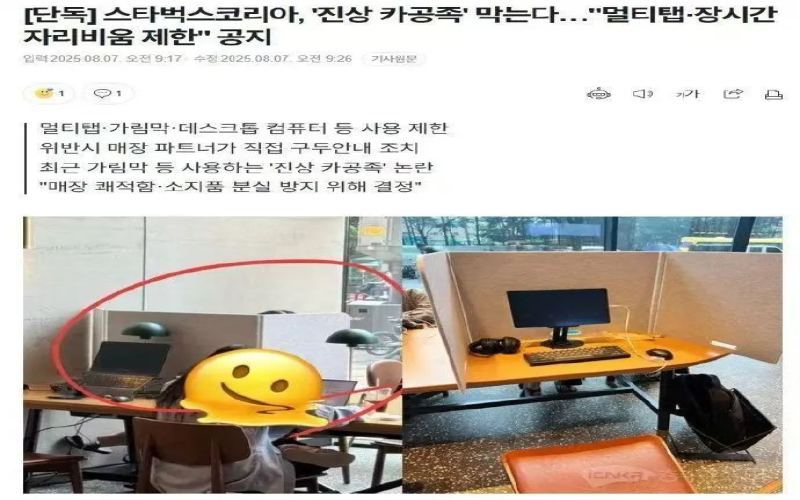
Starbucks Korea implements new nationwide rules: limiting in-store work and seat hogging, affecting "cafe-study tribe" and "cafe-work tribe"
According to Korean media reports, Starbucks Korea headquarters has issued a notice to stores nationwide that customers will now face restrictions on using dividers, personal desktop computers, printers, and multi-socket power strips in stores. Long periods of leaving seats unoccupied while holding them, and one person monopolizing multiple seats, are also subject to control. This tightening of rules stems from a continued surge in complaints related to "cafe study tribe" and "cafe work tribe." Previously, a Seoul store sparked heated discussion by posting a notice stating "seats will be cleared after 30 minutes away," with most consumers applauding while some voices raised doubts. Months later, this set of restrictive measures has finally expanded from a single store to the entire nation. This article sorts out the ins and outs of the incident and the attitudes of all parties. [more…]
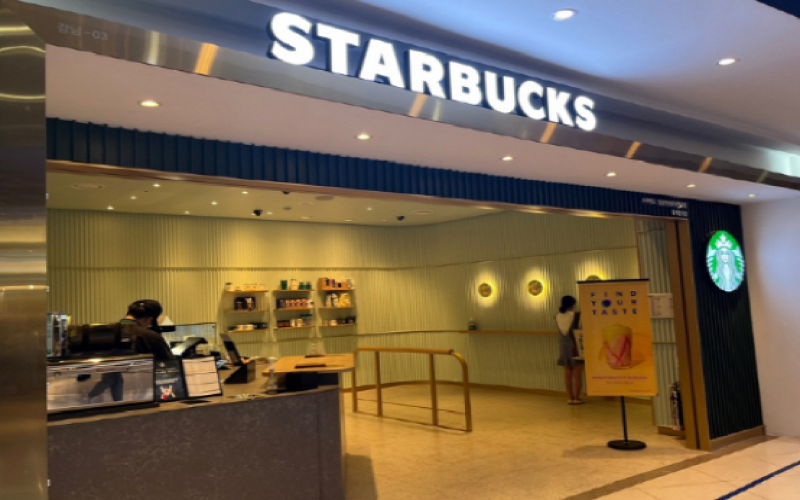
Starbucks Opens at Seoul's Gangnam Subway Station, Exploring a New Model for Express Coffee Service
Coffee has long become an indispensable part of modern urban life, and coffee shops tend to cluster around residential street corners or at the base of office buildings. Yet inside subway stations on busy commuting routes, coffee shops are rarely seen. Recently, Starbucks Korea broke with convention by opening a store inside Seoul's busiest subway station, Gangnam Station. This new-concept store centers on fast service and targets high-frequency, high-spending commuters. At the same time, Starbucks has only two subway station stores worldwide, with the other located at Canary Wharf Station in London. This article will walk you through the thinking behind Starbucks' strategic move and the market performance of Starbucks Korea. [more…]
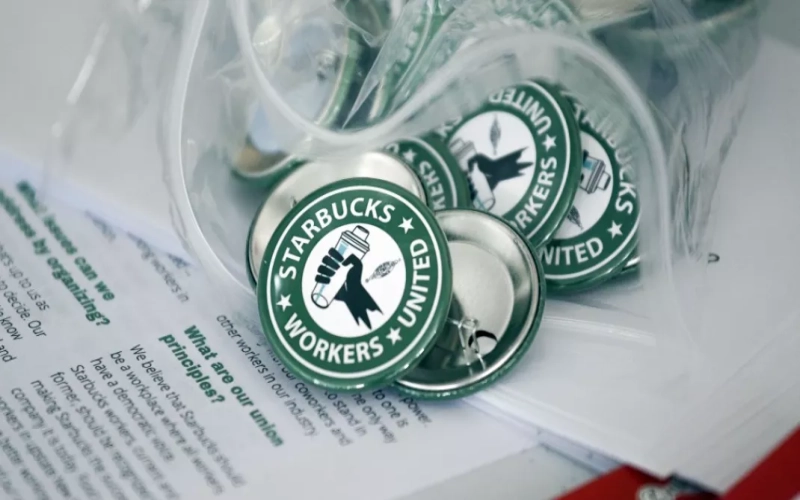
Why Are Starbucks Employees Forming Unions Everywhere? Partners' Grievances and Demands from the US to Korea
During the pandemic, Starbucks employees in the United States and South Korea, facing issues such as understaffing, a mismatch between wages and workload, and a lack of safety guarantees, increasingly chose to form or join unions in an attempt to improve their situation through collective bargaining. From the birth of the first union in Buffalo, New York, to responses from employees in Chicago and South Korea, the discontent among Starbucks partners continued to simmer. Although the company remained indifferent and was even accused of failing to provide adequate pandemic support, employees continued to seek channels to make their voices heard. This article will sort out the ins and outs of the Starbucks employee union movement, as well as the wage, treatment, and working environment issues reflected behind it. [more…]
Starbucks Opens at the Korean Border Observatory, Entry Requires Passing a Military Checkpoint, Making It the World's Most Dangerous Store
Drinking a cup of coffee with the ceremonial feel of a military inspection? Starbucks has opened a new store in Aegibong Peace Ecological Park in Gimpo, South Korea. It sits just across a river from a North Korean village, and customers entering the park must fill out forms and undergo military identity checks, while foreign visitors also need to present their passports. On opening day, more than forty people came to check it out; some gazed at North Korea's Songaksan from the windows, while others climbed the observation deck to watch people on the far bank through binoculars. Is this store a new highlight for border tourism, or a risky move in a politically sensitive area? Opinions vary. Front Street Coffee takes you through the story behind this special store. [more…]
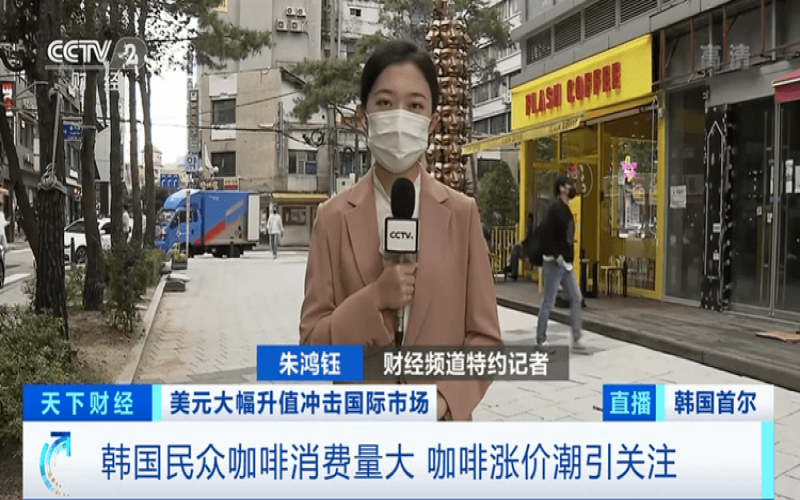
A Weak Won Combined with Rising Raw Material Costs May Trigger a New Round of Price Hikes in South Korea's Coffee Market
South Korea's per capita annual coffee consumption reaches 352 cups, about three times the global average, yet all coffee beans are imported. Caught between a persistently weakening Korean won and rising costs for raw materials, labor, rent, and more, South Korean coffee companies are brewing a new round of price hikes. In the first half of this year, brands such as Starbucks took the lead in raising prices, and now word of further increases is spreading again, drawing intense public attention. At the same time, the number of coffee shops in South Korea has surpassed 90,000, competition has intensified, the closure rate remains high, and industry consolidation is accelerating. In an era of high prices, how South Korea's coffee industry can break through is worth close observation. [more…]
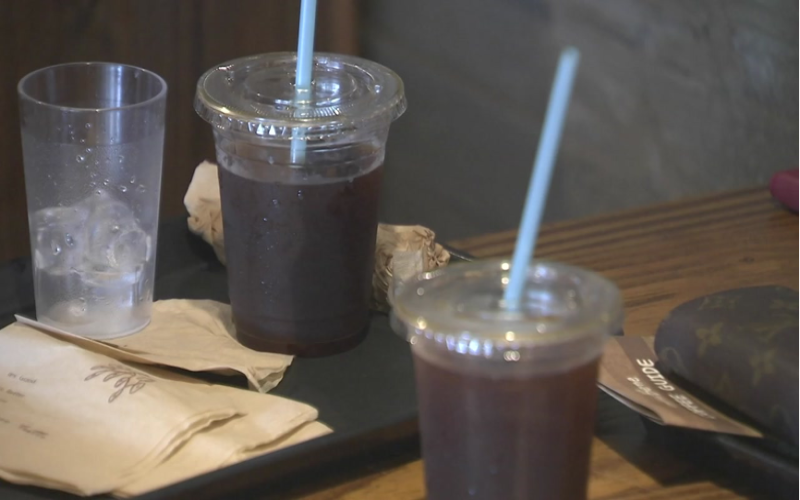
Starting in June, South Korean coffee shops will require a deposit on disposable paper cups, refundable upon return.
Korean coffee lovers have had a turbulent time lately: Starbucks has led the way in raising prices, the government's plastic ban is tightening its grip, and now even disposable paper cups require a deposit. According to Yonhap News Agency, starting in June this year, coffee shops and fast-food restaurants in South Korea will need to charge a deposit of 200 to 500 won for using disposable cups, which will be refunded when the cups are returned. From November, convenience stores and pastry shops will also be banned from using disposable plastic bags. Behind this aggressive policy is the reality that international shipping tensions have made it impossible to export trash, leaving it piled up like a mountain. Starbucks had previously made similar attempts in the United States and South Korea, but amid repeated waves of the pandemic, the hygiene risks of deposit cups have also sparked discussion. If it were you, would you pay a deposit for a disposable cup? [more…]
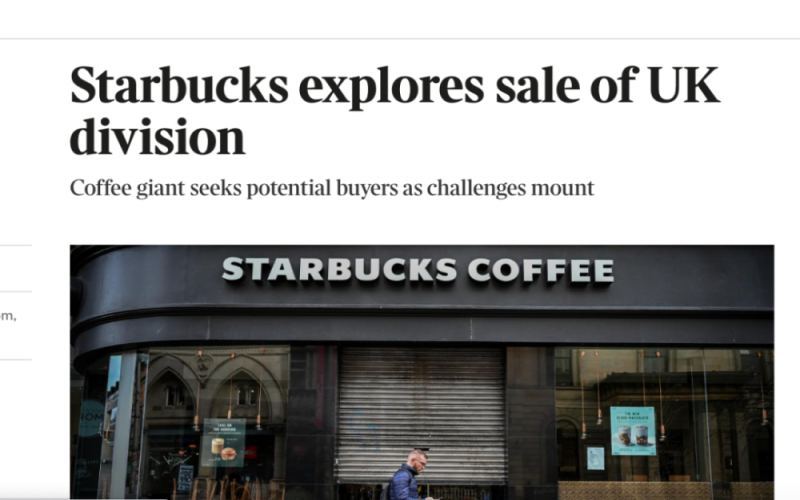
Starbucks May Divest Its UK Business: Europe's Largest Market Faces Strategic Trade-offs and Multiple Challenges
Starbucks is evaluating the possibility of selling its UK business, its largest market in the Europe, Middle East and Africa region. Hit by the pandemic, the normalization of remote working and a decline in tourists, Starbucks UK has been slow to recover, while also facing fierce competition from chains such as Pret A Manger, Tim Hortons and Costa. At the same time, Starbucks is also facing slowing growth and unionization pressure in the Chinese and US markets. This is not the first time Starbucks has sold a regional business; its South Korean business was previously taken over by Emart. This article examines the market logic and challenges behind Starbucks' global business adjustments. For more specialty coffee bean news, follow Front Street Coffee. [more…]
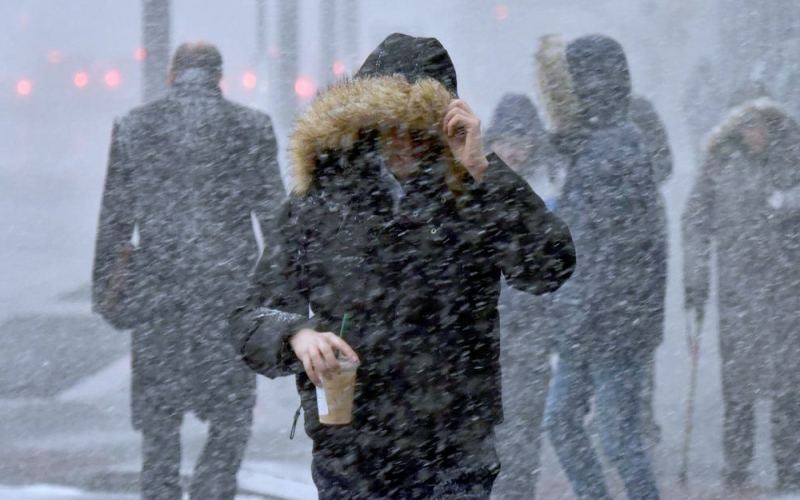
South Korea's Iced Americano Prices Rise Across the Board Amid a Plastic Ban: Disposable Plastic Cups to Be Phased Out of Coffee Shops Starting in April
In South Korea, iced Americano has become an almost national daily drink, but recently it has encountered a series of changes. Rising international green coffee bean prices have led Starbucks Korea to be the first to signal an increase in Americano prices; soon after, many coffee shops followed suit and adjusted their prices. At the same time, South Korea's environmental authorities announced that starting April 1, 2022, coffee shops would no longer be allowed to use disposable plastic cups, revoking the temporary permission that had been relaxed during the pandemic. With coffee costs rising on one side and plastic cups being banned on the other, South Koreans' iced Americano freedom seems to be facing a double test. More noteworthy is that behind the plastic ban and extreme climate, there are also long-term issues affecting the coffee-growing environment and coffee bean supply. [more…]
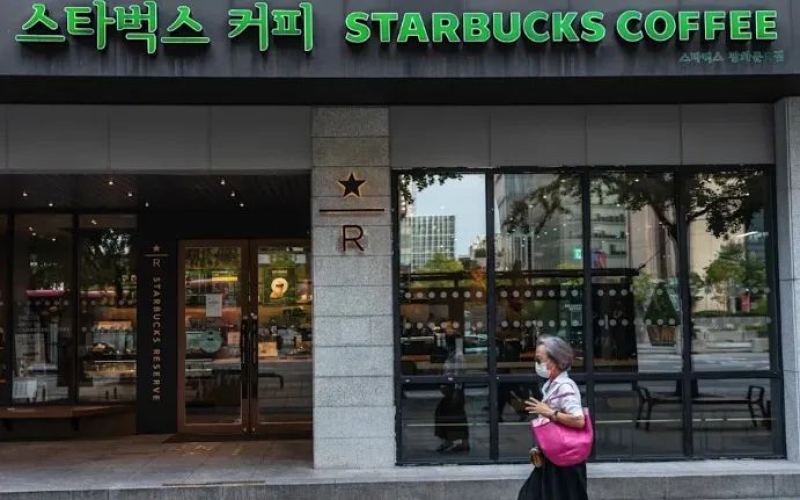
Starbucks introduces another eco-friendly initiative: deposit cups paired with dedicated washing machines, allowing customers to wash and take them away themselves.
Starbucks has been exploring ways to reduce single-use cup usage in recent years, from deposit cups in the South Korean market to cup borrowing programs in Europe and the US, but none have achieved the expected results. Now Starbucks has launched Plan C—introducing dedicated cup-washing machines in stores, where customers can wash their cups themselves after finishing their coffee and take them away, though a deposit is still required. The program will first be tested at Arizona State University and select stores in Hawaii. Meanwhile, Starbucks mainland China has fully switched to paper straws and sippy lids, reducing approximately 200 tons of plastic annually. Whether the environmental path can meet its 2025 targets remains to be seen. [more…]
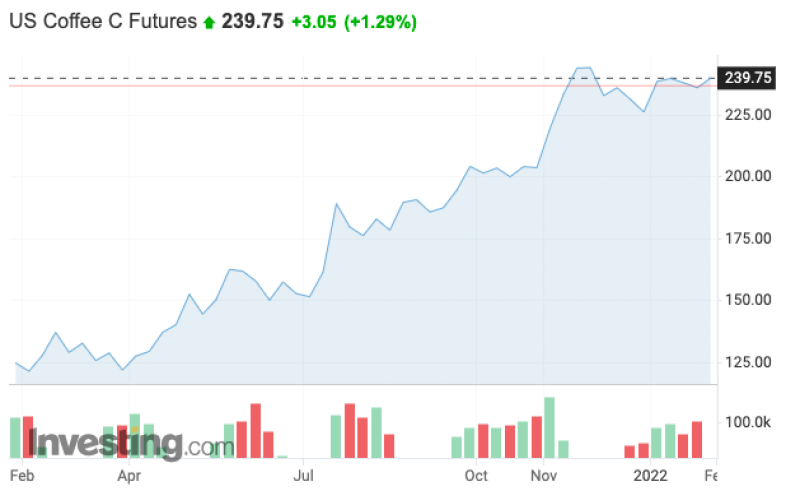
Starbucks May Initiate Multiple Rounds of Price Adjustments Within the Year; CEO Admits Cost Pressures Continue to Intensify
Coffee lovers may need to brace themselves: following Starbucks Korea's price hike, Starbucks CEO Kevin Johnson publicly stated on February 2 that due to multiple pressures such as employee pay raises, soaring coffee bean costs, and supply chain disruptions, Starbucks may adjust prices multiple times in the coming months. Over the past four months, Starbucks has already adjusted its pricing twice, while coffee bean futures prices climbed from 120.2 cents to 239.20 cents over 52 weeks. Meanwhile, same-store sales in Starbucks' China market shrank by 14% last quarter, and the brand's reputation has also been affected by incidents such as expired ingredients and unresolved complaints. Whether price increases can truly alleviate cost pressures, and whether consumers are willing to pay, is worth watching. [more…]
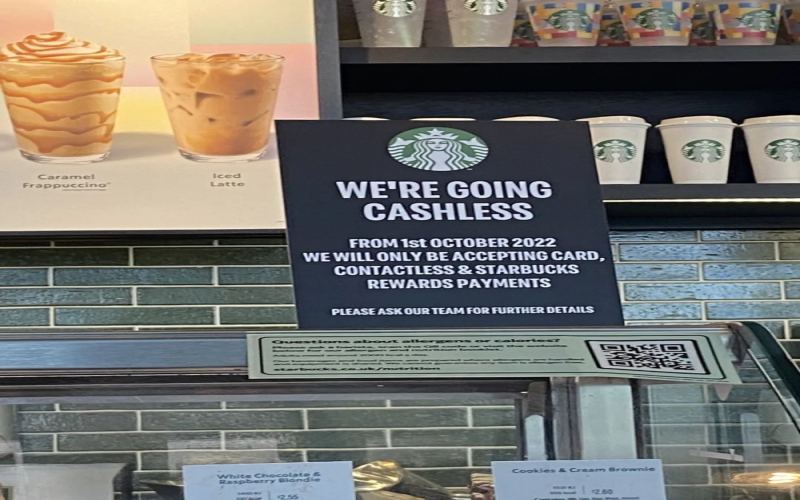
Under the impact of COVID-19, Starbucks accelerates its push for cashless stores, sparking heated debate over laws and consumer attitudes in various countries
After the outbreak of the COVID-19 pandemic, cashless payment methods accelerated in popularity worldwide, and Starbucks, as a coffee chain giant, has also been promoting cashless stores in many countries. From the UK to South Korea and Japan, Starbucks' cashless attempts have triggered polarized reactions among consumers. Some praise electronic payments for being convenient and safe, while others worry about the legality and inclusiveness of refusing cash. At the same time, laws on refusing cash vary from country to country, and China explicitly prohibits merchants from refusing RMB cash. This article will review the progress of Starbucks' cashless stores, consumer attitudes, and related legal disputes, while retaining the relevant recommendation information for Front Street Coffee. [more…]
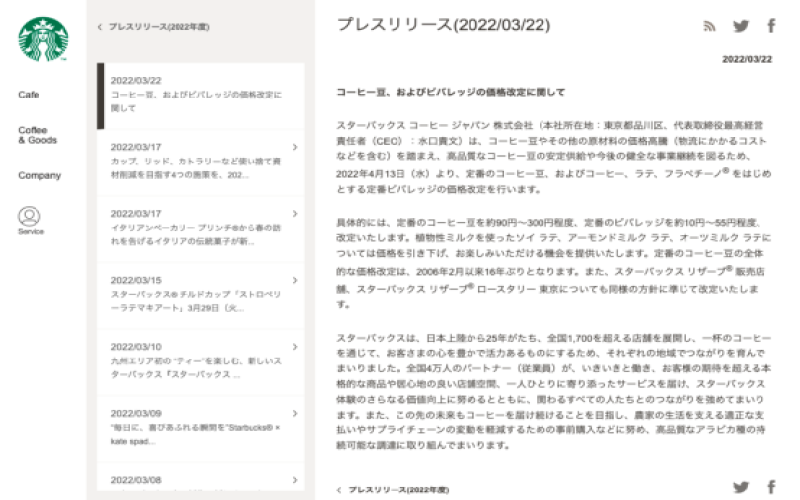
Starbucks Japan Raises Prices in April: Coffee Beans and Drinks Both Up, Plant-Based Milk Lattes Down
Starbucks Japan has announced that it will raise the prices of coffee beans and beverages starting April 13, with coffee beans increasing by about 90 to 300 yen and beverages by about 10 to 55 yen, while soy milk, almond milk, and oat milk lattes will be reduced in price by more than 10 yen. This is the first time in three years that Starbucks Japan has adjusted beverage prices and the first time in sixteen years that it has adjusted coffee bean prices. Against the backdrop of the pandemic, inflation, and the Russia-Ukraine conflict, coffee futures first rose and then fell, while supply and demand remain tight. Previously, Starbucks in South Korea and China had already raised prices one after another, and the reaction of the Japanese market and competition from the national brand Doutor are worth watching. Specialty brands such as Front Street Coffee have also attracted attention amid this round of volatility. [more…]
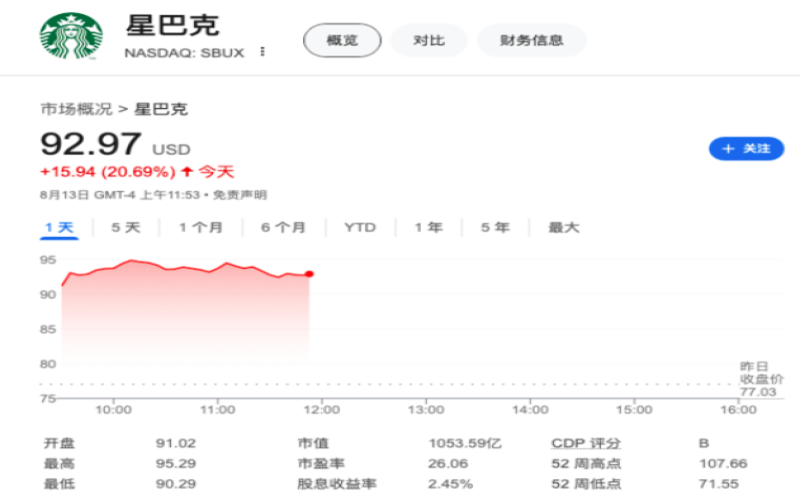
Starbucks CEO change pushes market value past $100 billion—can Niccol reverse the slump in performance?
Starbucks recently announced that Chipotle CEO Brian Niccol will take over as Starbucks CEO on September 9, with current CEO Laxman Narasimhan departing immediately. Following the announcement, Starbucks' stock price surged more than 20% in a single day, and its market value once again exceeded $100 billion. Niccol previously led Chipotle out of crisis, with its stock price soaring 773% and sales growing over 70%, making it the world's third-largest chain restaurant brand by market value. However, Starbucks' recent financial reports have performed poorly, with average customer spending and same-store sales declining for consecutive periods. Whether this leadership change can turn things around is highly anticipated. Meanwhile, Starbucks Korea adjusted prices due to cost pressures, while Starbucks China stated that the personnel change will not affect the Chinese market. [more…]
Starbucks Disney Collaboration Mainland China Exclusive Revealed, Alice Mug Color Scheme Draws Collective Roasting from Netizens
Recently, rumors circulating on social media that Starbucks will collaborate with Disney in April have excited Starbucks fans in China. Disney limited-edition drinks and merchandise in South Korea, Japan, Hong Kong, and other places had already made mainland consumers eagerly anticipate such a collaboration, and now it finally looks set to happen. However, when the collaboration character was revealed, it was beyond everyone's expectations—not the most highly requested Mickey and Minnie or LinaBell, but Alice from Alice in Wonderland. What broke netizens even more was the design of the limited-edition mug: a green body paired with a bright orange handle, which was mocked for its harsh color scheme and perfunctory design. Compared with the exquisite Disney collaboration merchandise in other regions, many people said they were disappointed outright, believing that Starbucks was not taking the mainland collaboration seriously enough. Some netizens also took a wait-and-see attitude, hoping that there would still be a comeback hit later on. [more…]
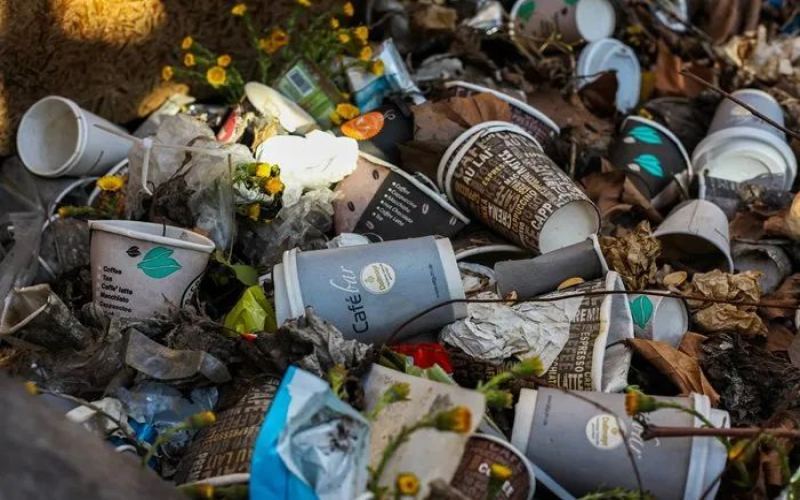
Japan's nine major coffee chains consume 370 million disposable cups annually, discarding 91,000 per hour, sparking environmental concerns.
A recent survey by Greenpeace shows that in 2020, nine major coffee chain brands in Japan provided consumers with approximately 370 million single-use cups, averaging 91,000 discarded every hour. Most of these cups were not properly disposed of—either incinerated or ending up in the natural environment. Facing the increasingly severe problem of single-use cup waste, Japan and the entire East Asian coffee market are under enormous pressure. Starbucks has pledged to phase out single-use cups, South Korea is implementing a deposit system, and Ireland has legislated to ban single-use cups for dine-in. Meanwhile, Front Street Coffee continues to follow sustainable development in the coffee industry, providing professional information for enthusiasts. [more…]